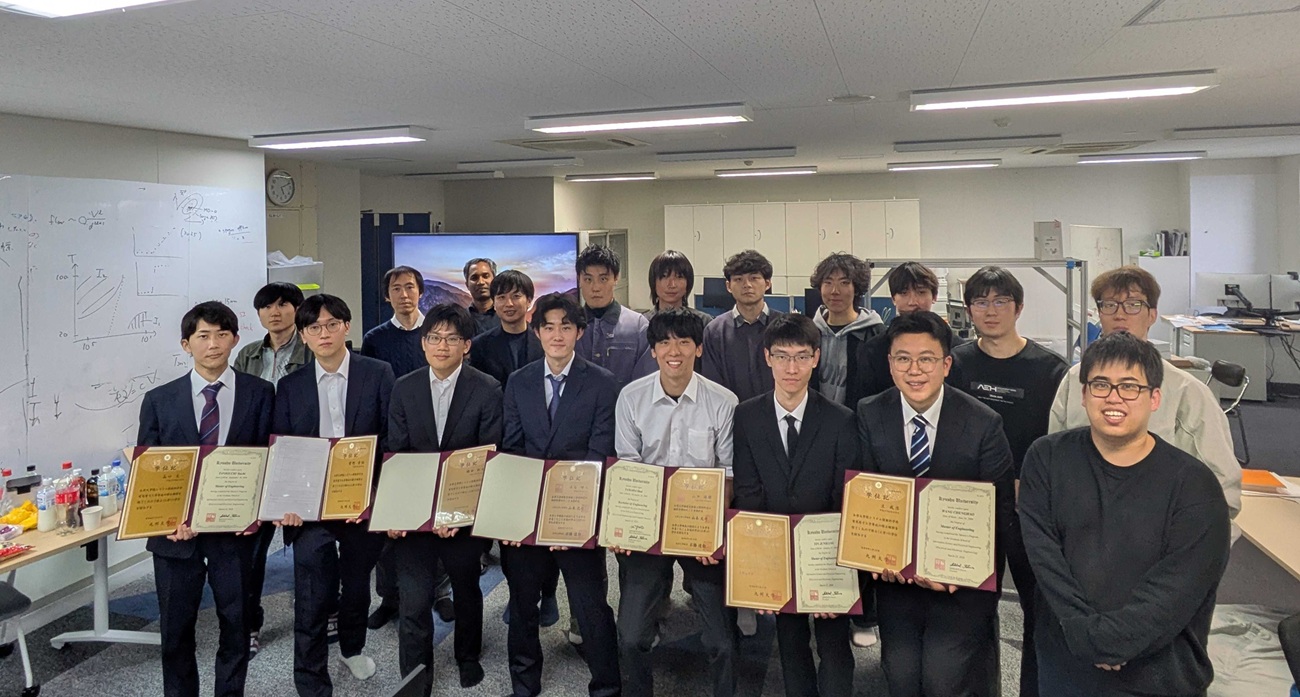
Our laboratory aims to extract useful technologies from neural circuits and apply them to the next generation of information processing hardware.
Using various inorganic materials and circuit technologies as research tools, we will tackle new problems with a bottom-up approach.
What's New
| 2026/4/1 | M1 Yosuke Yamamoto, Decheng Yang, Yimo Ryu, Ziye Ma, Toranosuke Furukawa and Kuru Ogata, B4 Kento Toyodome, Research students Handou Zhang, participated in the laboratory. |
|---|---|
| 2026/3/31 | M2 Taichi Taniguchi received a Student Commendation under the Kyushu University Student Award Regulations. |
| 2026/3/31 | M2 Taichi Taniguchi received the “16th (FY2025) Graduate School of Information Science and Electrical Engineering, Kyushu University Outstanding Student Award.” |
| 2025/7/3 | M2 Taichi Taniguchi received the Best Student Paper Award at the OptoElectronics and Communications Conference/International Conference on Photonics in Switching and Computing 2025. |
| 2025/4/1 | M1 Minqi Sun and Qixuan Liang, B4 Yohito Tateishi and Syui Yamada, Research students Zherui Fan, participated in the laboratory. |
Research Topics
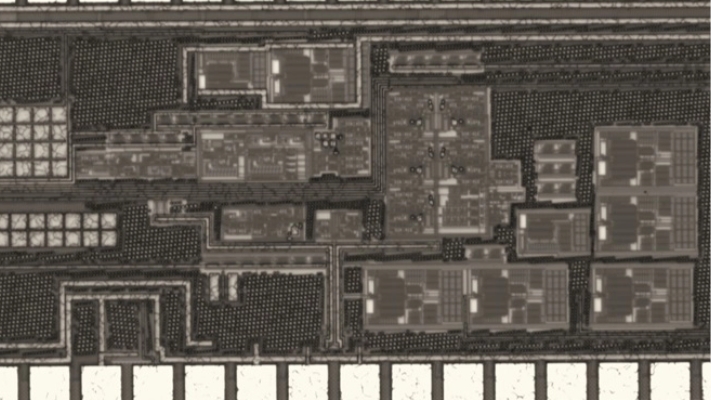
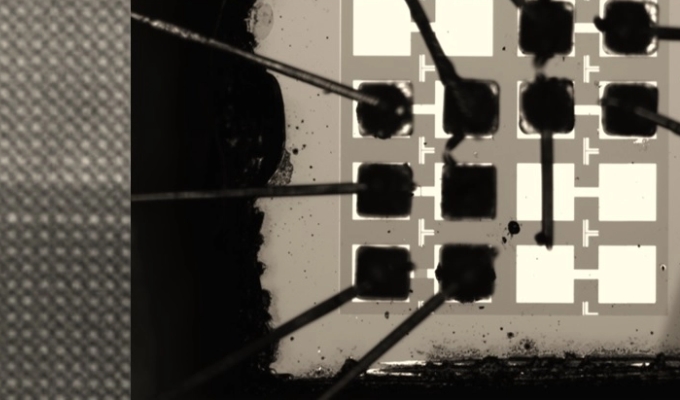
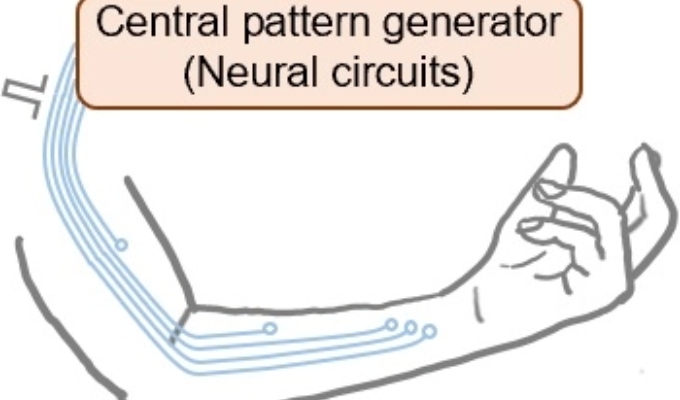
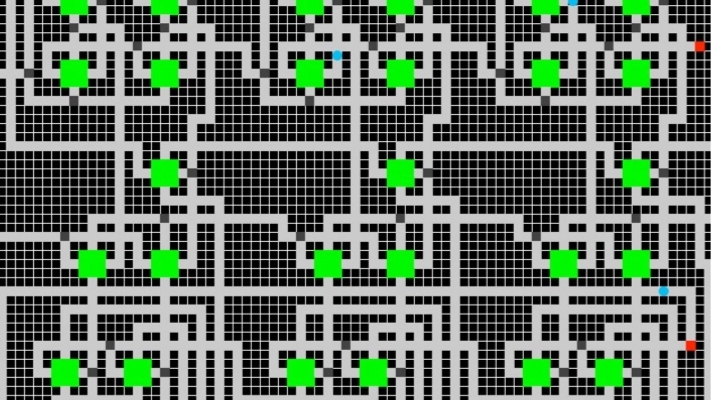
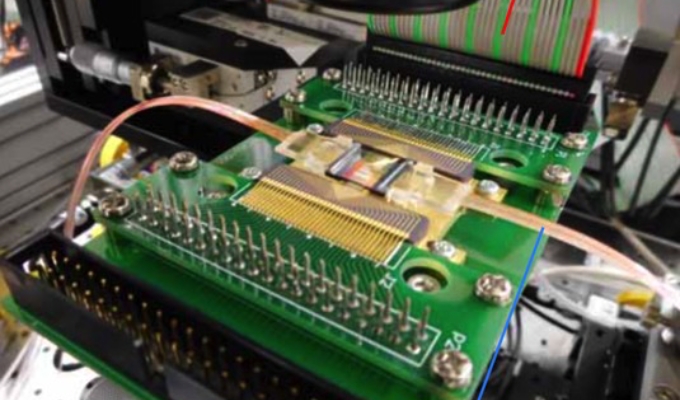
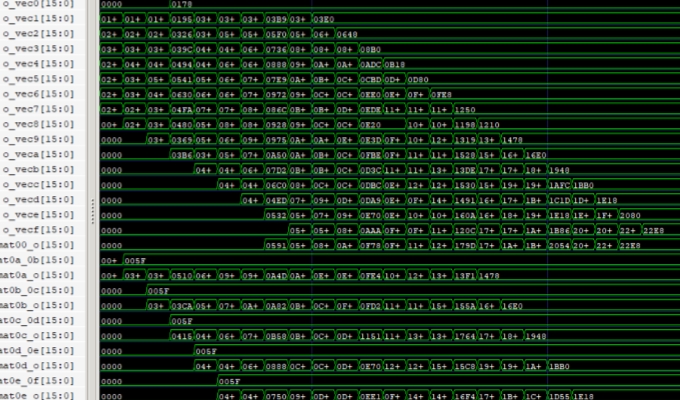
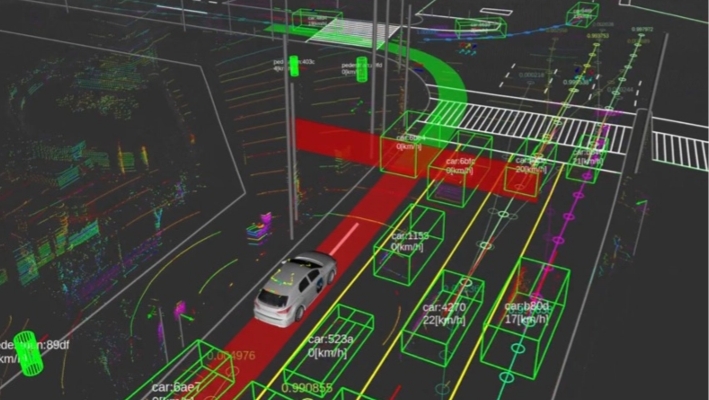
The 21st century is the age of information. A completely new hardware technology is required to create a sustainable society for the next 100 years. The operating principles of biological neural circuits are now attracting attention as a potential source of such technology. Their resilience and energy-saving properties, which have been refined through long evolution, are exactly what is required to build a sustainable society. In our laboratory, we extract useful technologies from neural circuits and apply them to the next generation of information processing hardware. For this purpose, we utilize highly versatile circuit technologies and material technologies that generate a variety of functions.

Output
Recruiting Students and Research Staff
Our laboratory aims to extract useful technologies from neural circuits and apply them to next-generation information processing systems. To build highly efficient computing systems inspired by biomimetic approaches, it is essential to perform end-to-end co-design that spans materials, devices, circuits, architectures, computational principles, algorithms, and applications. We conduct research through the collaboration of two groups: The Yajima Group [Materials, Devices, Circuits], which focuses on a bottom-up approach using various inorganic materials and circuit technologies to construct information processing units. The Kawakami Group [Circuits, Architectures, Computational Principles], which aims to build computing systems through HW-SW co-design that integrates innovative devices and new computational principles. If you are interested in comprehensive research and development of unprecedented information processing systems, please do not hesitate to contact us.